Dark spots and hyperpigmentation after 50: a safe fading plan
2026-07-29 · 6 min read
How to get rid of dark spots and hyperpigmentation after 50?
Fading dark spots after 50 requires a dual approach of inhibiting melanin production and accelerating cell turnover. Expect visible improvement in skin tone after 12 to 16 weeks of consistent, non-irritating topical treatment.
The short version
- UV protection is the primary requirement for all fading treatments.
- Melanin production involves enzymes that require consistent inhibition.
- Expect a 12-week minimum for noticeable changes in pigment density.
- Gentle exfoliation is superior to aggressive chemical peels for aging skin.
Why do dark spots appear more frequently after 50?
Skin aging involves a cumulative history of ultraviolet exposure. Melanocytes, the cells responsible for pigment, become less regulated over time. They tend to cluster and overproduce melanin in localized areas. Simultaneously, the rate of natural cell turnover slows significantly. As cells take longer to shed from the surface, pigment remains visible for a longer duration. This is not merely a consequence of age but a result of environmental damage stored over decades. Hormonal shifts during perimenopause and menopause also influence melanocyte activity. Understanding that this is a cellular process rather than a sudden flaw is the first step in management. Patience is required because these spots represent structural changes in the epidermis and dermis, not surface-level debris that can be washed away.
Can topicals provide the same results as clinical procedures?
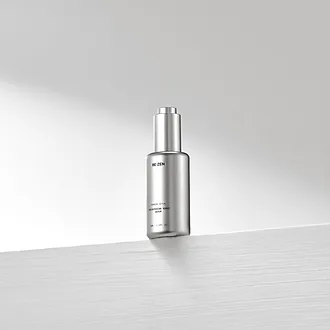
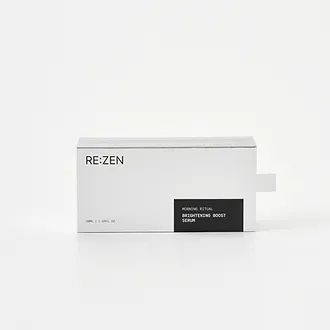
It is important to be clear about the limits of skincare. Topicals cannot replicate the mechanical destruction of pigment performed by lasers or medical-grade chemical peels. If a spot is deep or dense, home treatment will reach a plateau. Clinical procedures focus on aggressive disruption, which carries higher risks of post-inflammatory hyperpigmentation. Topicals function by inhibiting the enzymes that create pigment and gently encouraging the skin to shed pigmented cells. The benefit of this approach is safety. You minimize the risk of damaging the skin barrier. For most, Brightening Boost Serum offers a manageable pathway to even skin tone. While you will not achieve the rapid erasure of a professional treatment, you avoid the downtime and the potential for rebound hyperpigmentation that often follows aggressive procedures on mature skin.
Which ingredients actually work for pigment inhibition?
Science points toward specific compounds that interfere with the tyrosinase enzyme, which is the catalyst for melanin production. Vitamin C in its stable form is a standard. Tranexamic acid and niacinamide are increasingly preferred for their ability to soothe inflammation while addressing discoloration. These ingredients do not bleach the skin. Instead, they prevent new pigment from forming. Regular use of the Brightening Boost Serum leverages these mechanisms to create a more uniform appearance over time. When selecting products, look for evidence-based actives rather than marketing buzzwords. Avoid ingredients that promise overnight success. Rapid results often indicate irritation, which triggers more melanin production. Your goal is calm, consistent suppression of pigment-producing pathways rather than an inflammatory reaction.
What is the role of exfoliation in fading spots?
Exfoliation is necessary to remove the top layer of dead, pigmented skin cells. In younger skin, this happens automatically. After 50, you must assist the process. Chemical exfoliation is generally preferred over physical scrubs, which can cause micro-tears in thinning skin. Look for low-percentage alpha hydroxy acids like lactic acid. These improve texture while allowing active brightening ingredients to penetrate more effectively. Incorporating the Cellular Renewal Peel once weekly can help maintain this turnover cycle without stripping the skin of its essential oils. Be mindful of your skin barrier. If you notice redness or stinging, reduce the frequency of application immediately. A compromised barrier will only exacerbate hyperpigmentation, as the skin enters a defensive state that can stimulate melanocyte activity.
How long does it take to see results?
The skin cycle for a person over 50 is approximately 40 to 60 days. Because you are waiting for existing pigmented cells to migrate to the surface and shed, you must commit to a routine for at least three full cycles. Do not look for changes in the mirror daily. Document your progress with photos taken in the same lighting every four weeks. Many people abandon their regimen at the four-week mark because they do not see a dramatic difference. This is a mistake. The true shift in skin tone typically becomes apparent between week 12 and week 16. If you are consistent with your daily regimen, the cumulative effect will lead to a softer, more refined complexion. Consistency is the only variable that guarantees a predictable outcome.
Why is UV protection the most critical step?
All the brightening serums and peels in the world are ineffective if you do not use adequate sun protection. Ultraviolet radiation is the primary driver of melanocyte activation. Even incidental exposure during a short walk or through a window is sufficient to darken existing spots. Use a broad-spectrum SPF 30 or higher every single day, regardless of the weather. Think of SPF as the foundation of your treatment. If you skip this, you are effectively undoing the progress your treatments made the night before. Protecting the skin from further damage allows the natural regenerative processes to take priority. This is not about vanity; it is about preventing the ongoing cycle of damage that necessitates the use of corrective products in the first place.
Questions people ask
Yes, but timing is essential for skin comfort. Use vitamin C in your morning routine to provide antioxidant protection. Reserve your retinoid or HPR treatment for the evening. This separation prevents potential irritation and allows each ingredient to perform its function at the appropriate time of day.
Formulas mentioned

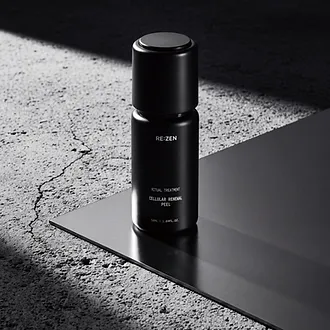


Cellular Renewal Peel
4.5 · 235 reviewsSmoother skin. Zero barrier damage.
60 ML | 2.03 FL. OZ.


Keep reading
Fine lines vs deep wrinkles: they need different ingredients
Fine lines and deep wrinkles require different approaches. One responds to surface hydration and exfoliation, while the other demands long-term structural support.
Under-eye bags and puffiness: what causes them and what genuinely helps
Under-eye bags are often caused by fluid retention or fat pad displacement. We explain what ingredients work and where topicals reach their limit.
Crow's feet: how to soften them without injections
Crow's feet are natural creases from repeated expression. You can soften their appearance through targeted hydration and collagen support without clinical procedures.
Not sure where to start?
Our free AI skin scan reads your hydration, firmness, evenness and texture from one photo, then builds the routine around what your skin actually needs.
Start my skin scan