Why does my skin look dull? The real causes of lost glow after 50
2026-07-29 · 6 min read
Why does my skin look dull after 50?
Skin dullness after 50 is primarily caused by a decline in cell turnover and diminished moisture retention capacity. While topical products can improve texture and light reflection, they cannot replicate the volume or structural support provided by medical aesthetic procedures.
The short version
- Cell turnover rates drop significantly after age 50
- Surface accumulation of dead skin cells diffuses light reflection
- Declining lipid levels weaken the protective barrier
- Topicals provide surface improvement rather than structural change
The biology of slower cell turnover
In youth, skin cells follow a regular shedding cycle of approximately 28 days. By age 50, this process slows to 45 to 60 days. This lag results in a buildup of corneocytes on the outermost layer of the epidermis. These dead cells create a rough surface that scatters light rather than reflecting it evenly, which the eye perceives as dullness. Think of it like a window covered in a fine layer of dust. The surface beneath is intact, but light cannot penetrate or bounce back with clarity. To manage this, we utilize mild exfoliants like lactic acid or specialized enzymes that encourage the natural shedding process without inducing the inflammation associated with aggressive physical scrubs. Consistency is mandatory. Expect measurable improvement in light reflection after 90 days of sustained use.
Does hydration change after 50?
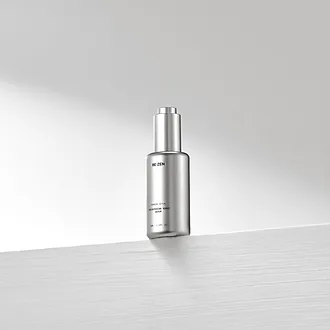
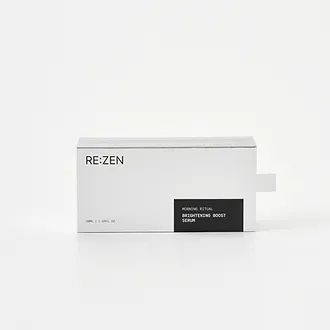
Hydration is not just water content. It is the ability of the skin to hold that water within the stratum corneum. After 50, the production of natural moisturizing factors and ceramides declines. When the lipid barrier is compromised, water evaporates from the skin more rapidly, a process known as transepidermal water loss. The skin appears shriveled and lackluster. While a simple moisturizer adds hydration, a functional approach requires ingredients that mimic skin lipids, such as cholesterol, fatty acids, and ceramides. These ingredients integrate into the barrier to prevent loss. The Brightening Boost Serum can assist in maintaining this hydration baseline by supporting the skin's moisture-retention pathways. Do not expect immediate change. Barrier repair is a long-term project that stabilizes the skin over three to six months.
How does reduced collagen affect radiance?
Collagen provides the structural foundation that keeps skin firm. When collagen density decreases, the skin loses its underlying support. This creates a subtle sagging or hollowing effect. Light hits a flat, firm surface differently than it hits a surface with microscopic dips and folds. Dullness is often a visual byproduct of these structural changes. Topicals cannot grow new collagen in the deep dermis, despite common marketing claims. However, they can support the skin's surface integrity. Ingredients like retinoids or stable vitamin derivatives help maintain a smoother surface texture, which improves how light behaves on the face. Manage expectations here. Topical application changes the surface appearance, but only procedural intervention addresses the deeper loss of structural volume.
Why does skin tone appear uneven?
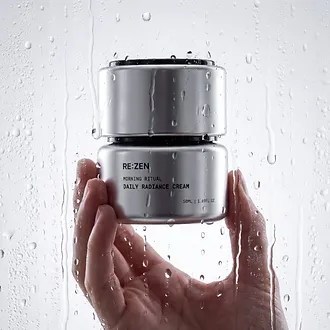
Accumulated solar exposure over five decades results in uneven pigment distribution. This manifests as localized areas of hyperpigmentation or general sallow tones. Uneven pigment disrupts the monochromatic clarity that we associate with healthy, vibrant skin. The correction of uneven tone requires patience and photoprotection. Sunscreen is the most effective tool for preventing further degradation. To address existing pigment, look for inhibitors that gently modulate melanin production over time. It is a slow process that requires 12 to 24 weeks to show visible results. Avoid products that claim to bleach skin or work in seven days. These are often too aggressive and can cause rebound pigmentation. Use the Daily Radiance Cream to provide a consistent environment that protects against environmental stressors.
Does blood circulation impact dullness?
Microcirculation supplies oxygen and nutrients to skin cells. As we age, the network of tiny capillaries in the dermis can become less efficient. This lack of oxygenation contributes to a pallid or gray appearance. Physical movement, a balanced diet, and targeted facial massage can help stimulate blood flow, but the impact is largely temporary. The goal here is to maintain healthy skin cell function through better nutrition. Topical caffeine or thermal-based products can temporarily boost surface circulation, providing a brief, healthy flush. These are useful for immediate visual improvements but do not serve as a long-term fix for age-related microvascular changes.
Separating marketing hype from reality
The skincare industry relies heavily on hyperbole. You will see products promising to reverse aging or restore the glow of a twenty-year-old. These claims are not supported by clinical evidence. At 50 and beyond, the goal is to optimize the health of the skin you have. That means prioritizing barrier health, consistent sun protection, and gentle exfoliation. Ignore products promising miracles. Focus on ingredients like niacinamide, antioxidants, and stable retinoids. These have long-standing data regarding their safety and efficacy. When you view skincare as a maintenance program rather than a fountain of youth, you avoid unnecessary frustration and unnecessary spending on ineffective, high-cost formulations.
Questions people ask
Oils provide temporary surface sheen and barrier support, which can make skin appear healthier. However, oils do not treat the underlying causes of dullness, such as slow cell turnover or collagen loss. Use oils as a finishing step to lock in moisture, but pair them with active ingredients for actual results.
Formulas mentioned



Keep reading
Fine lines vs deep wrinkles: they need different ingredients
Fine lines and deep wrinkles require different approaches. One responds to surface hydration and exfoliation, while the other demands long-term structural support.
Under-eye bags and puffiness: what causes them and what genuinely helps
Under-eye bags are often caused by fluid retention or fat pad displacement. We explain what ingredients work and where topicals reach their limit.
Crow's feet: how to soften them without injections
Crow's feet are natural creases from repeated expression. You can soften their appearance through targeted hydration and collagen support without clinical procedures.
Not sure where to start?
Our free AI skin scan reads your hydration, firmness, evenness and texture from one photo, then builds the routine around what your skin actually needs.
Start my skin scan