HPR vs retinol: the retinoid that works without peeling
2026-07-29 · 5 min read
What is the difference between HPR and retinol?
HPR is an ester of retinoic acid that binds directly to retinoid receptors without requiring the conversion process that standard retinol needs. This direct interaction typically allows for skin renewal and collagen synthesis with significantly less risk of redness, peeling, or irritation.
The short version
- Retinol requires conversion to retinoic acid, causing potential irritation.
- HPR binds directly to receptors, bypassing the conversion delay.
- Clinical improvement in texture often requires 12 weeks of consistent use.
- Topical retinoids provide structural support but cannot replicate injectable results.
How does HPR differ from traditional retinol?
Retinol is a precursor that must be converted by enzymes into retinoic acid to affect cellular behavior. This multi-step process introduces two variables: the rate of conversion, which varies by individual, and the potential for inflammatory byproduct buildup that manifests as flaking or redness. Hydroxypinacolone Retinoate, or HPR, is a retinoic acid ester. It does not require this conversion process. Because it binds directly to the retinoid receptors in the skin, it provides the benefits of vitamin A with a much lower probability of the irritation commonly associated with high-strength retinol products. It is essentially a more efficient delivery system for the active component.
Why does retinol cause peeling?
Peeling, often termed retinization, is a side effect of the high concentrations of retinoic acid required to force rapid turnover. When skin cells turn over too quickly, the barrier function can become compromised, leading to transepidermal water loss and inflammation. Many users mistake this irritation for progress. However, sustained inflammation is rarely beneficial for long-term skin health. HPR allows for the upregulation of collagen and the refinement of texture without triggering this reactive barrier disruption. The goal is consistent, steady cellular turnover rather than traumatic exfoliation. This is why products like the Ageless Silk Mask utilize HPR to deliver results while maintaining the integrity of the moisture barrier.
What is the realistic timeline for results?
Skincare results are cumulative. The skin cycle—the time it takes for cells to travel from the dermis to the surface—is approximately 28 days for younger adults and often extends to 40 or 50 days as we age. When introducing a retinoid like HPR, you should observe changes in surface texture within 4 to 6 weeks. More profound improvements in tone and fine line appearance generally require 12 to 24 weeks of consistent, nightly use. Patience is the primary requirement. Do not expect immediate change. Consistency at a lower concentration is more effective than intermittent use of a strength that causes irritation.
Does HPR work as well as prescription tretinoin?
Tretinoin is a potent pharmaceutical-grade retinoid that acts immediately upon the receptors. While it is highly effective at increasing cell turnover, its efficacy is often limited by the patient's ability to tolerate the accompanying side effects. Many individuals discontinue use due to persistent dryness. HPR provides a middle ground. It is more potent than over-the-counter retinol but significantly gentler than prescription-strength retinoic acid. It is an excellent choice for those who want to support collagen production and cellular turnover but find prescription retinoids too harsh for daily use or long-term adherence.
How to incorporate HPR into a routine?
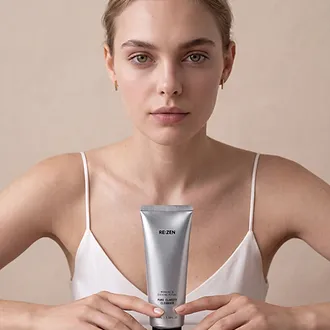
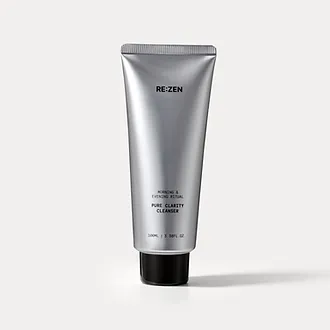
Retinoids are photosensitive and are best used in the evening. Begin by applying your retinoid to clean, dry skin. Applying it to damp skin can increase absorption and potential irritation. If you are using a product like the Ageless Silk Mask, ensure your face is cleansed properly with a gentle option like the Pure Clarity Cleanser. Follow the retinoid with a moisturizer to support the barrier. Start by using the product three nights a week to monitor your skin response. If no sensitivity occurs after two weeks, you can increase to nightly use. Always wear broad-spectrum SPF during the day, as all retinoids increase susceptibility to sun exposure.
Are there limits to what retinoids can do?
It is important to manage expectations regarding what topicals can achieve. Retinoids can improve the appearance of fine lines, refine texture, and assist in managing the appearance of discoloration by encouraging surface cell turnover. They cannot, however, provide the volume restoration or muscle relaxation offered by injectables. They act on the epidermis and upper dermis. Deep structural folds, significant loss of fat pads, or severe sagging require professional clinical intervention. Retinoids are a maintenance tool for skin quality, not a replacement for clinical procedures. Use them to maintain a smooth surface and support density, but understand their mechanical limits.
Questions people ask
HPR is generally well-tolerated by those with sensitive skin who have failed to tolerate traditional retinol. Because it does not require enzymatic conversion, it is less likely to trigger the inflammatory response that causes stinging or redness. However, we suggest a patch test on the inner forearm for 48 hours to confirm individual compatibility before applying to the face.
Formulas mentioned



Keep reading
Retinol vs peptides after 50: which one does your skin actually need?
Retinol and peptides target skin aging through different biological mechanisms. Choosing the right one depends on your specific skin concerns and tolerance.
Peptides explained: Argireline, Matrixyl and SYN-AKE in plain English
Peptides are signal molecules used to support skin structure. Understanding Argireline, Matrixyl, and SYN-AKE helps you make informed choices for your routine.
Niacinamide vs vitamin C: which one evens out your skin tone?
Niacinamide and vitamin C both address skin tone but operate through different biological pathways. Understanding these differences determines your routine.
Not sure where to start?
Our free AI skin scan reads your hydration, firmness, evenness and texture from one photo, then builds the routine around what your skin actually needs.
Start my skin scan