Niacinamide vs vitamin C: which one evens out your skin tone?
2026-07-29 · 5 min read
Niacinamide vs vitamin C: which one evens out your skin tone?
Vitamin C works by inhibiting tyrosinase to interrupt pigment production at the source. Niacinamide functions by preventing the transfer of pigment to skin cells and supporting the barrier to reduce inflammation. You do not have to choose one, as they target different aspects of uneven tone.
The short version
- Vitamin C (L-Ascorbic Acid) neutralizes free radicals and inhibits pigment production.
- Niacinamide (Vitamin B3) regulates melanin transfer and strengthens the lipid barrier.
- Layering both ingredients is safe and often recommended for comprehensive tone correction.
- Visible improvement in skin tone typically requires twelve weeks of consistent daily application.
How does Vitamin C address skin discoloration?
Vitamin C, or L-Ascorbic Acid in its most potent form, is a powerful antioxidant. It works by interfering with the enzyme tyrosinase. This enzyme is responsible for the production of melanin in the skin. By reducing the activity of tyrosinase, Vitamin C effectively limits the formation of new dark spots. Beyond inhibition, it neutralizes oxidative stress caused by UV exposure and environmental pollutants. This environmental protection is essential because oxidation can trigger inflammatory responses that lead to post-inflammatory hyperpigmentation. Because it is highly acidic, L-Ascorbic Acid requires a low pH to penetrate the skin barrier effectively. It is best utilized in a morning routine to provide a shield against daytime environmental factors. Stability is a factor, so look for opaque, airtight packaging to prevent oxidation of the serum before it reaches your skin.
How does Niacinamide regulate skin tone?
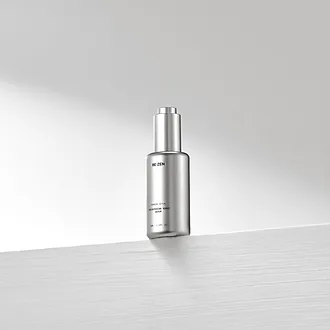
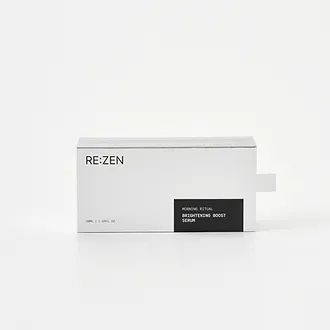
Niacinamide, or Vitamin B3, employs a different mechanism. It does not stop melanin production directly. Instead, it prevents melanosomes—the packets containing pigment—from transferring to the surface keratinocytes. By blocking this cellular hand-off, it prevents darkened pigment from becoming visible on the skin surface. Furthermore, Niacinamide is a potent anti-inflammatory agent. It helps reduce the redness associated with rosacea, acne, or compromised skin barriers. A healthier barrier is less prone to irritation, which means it is less likely to trigger the body to produce excess pigment in response to injury. Niacinamide is exceptionally stable and compatible with most skin types, including sensitive skin that may find L-Ascorbic Acid too irritating. You can use products like the Brightening Boost Serum to integrate this ingredient into your morning or evening routine without concern for pH incompatibility.
Can you use Niacinamide and Vitamin C together?
Historical advice suggested that using Niacinamide and Vitamin C together would cause the formation of niacin, which can cause flushing. This claim originated from older, less pure formulations. Modern, high-quality skincare formulations are stable enough to be used together. In fact, combining them offers a dual-action approach to evening out skin tone. You target the production of melanin with Vitamin C and the distribution of pigment with Niacinamide. If you possess sensitive skin, you may prefer to alternate them, using Vitamin C in the morning and Niacinamide in the evening. There is no biological reason to avoid layering them if your skin tolerates both well. The key is to allow each product to absorb fully before applying the next. This prevents any surface-level reactions and ensures that each ingredient reaches the deeper layers of the epidermis where they are most effective.
What is the realistic timeline for results?
Skincare is not a quick fix. Biological processes like cell turnover and melanin regulation take time. If you start a new routine with Vitamin C or Niacinamide, you should not expect changes in a few days. The epidermis cycle is approximately 28 to 40 days, depending on age. To see a genuine, visible reduction in the appearance of hyperpigmentation or uneven tone, you must commit to consistent use for at least 12 weeks. During the first month, you may notice improvements in texture or overall radiance. The actual fading of deep-seated dark spots happens slowly as pigmented cells move to the surface and are sloughed away. Consistency is the primary variable. Skipping applications will stall the process, as the enzymes these ingredients aim to regulate will quickly return to their baseline activity levels.
Are topicals the same as professional treatments?
It is necessary to maintain realistic expectations regarding cosmetic topicals. While Niacinamide and Vitamin C can significantly improve the clarity and brightness of your skin, they are not substitutes for professional medical interventions. They cannot remove deep, hormonally driven pigment like melasma or long-standing sun damage that has reached the deeper dermis. Clinical procedures such as laser therapy, chemical peels, or cryotherapy reach deeper than any over-the-counter serum can penetrate. You should view your daily routine as a way to maintain skin health and manage surface-level concerns. If you have significant pigment concerns that do not respond to consistent topical care, a consultation with a dermatologist is the appropriate next step. Professional treatments provide the intensity required for significant correction, while daily skincare maintains those results.
What should you ignore in skincare marketing?
Ignore claims of overnight transformation or the total erasure of spots. Marketing often uses hyperbole to sell the idea of a miracle. Any product claiming to fix years of sun damage in a week is not grounded in science. Also, ignore high concentrations that claim to be better. There is a ceiling for ingredient efficacy. For Vitamin C, concentrations above 20 percent often lead to irritation without providing additional benefit. For Niacinamide, 5 percent is widely considered the clinical sweet spot; higher amounts can sometimes cause stinging or redness in those with sensitive skin. Focus on formulations that prioritize delivery systems and stability rather than high percentages on the label. A well-formulated 10 percent Vitamin C serum is superior to a poorly made 25 percent version. Prioritize brands that focus on clinical testing rather than trendy ingredient lists.
Questions people ask
Both serve different needs. Vitamin C is superior for protecting against environmental damage and oxidative stress which accelerates visible aging. Niacinamide is better for maintaining barrier integrity and refining skin texture. Most mature skin profiles benefit from incorporating both into a daily regimen.
Formulas mentioned



Keep reading
Retinol vs peptides after 50: which one does your skin actually need?
Retinol and peptides target skin aging through different biological mechanisms. Choosing the right one depends on your specific skin concerns and tolerance.
HPR vs retinol: the retinoid that works without peeling
Hydroxypinacolone Retinoate (HPR) offers the benefits of retinoids without the traditional irritation. Learn how this ester compares to standard retinol.
Peptides explained: Argireline, Matrixyl and SYN-AKE in plain English
Peptides are signal molecules used to support skin structure. Understanding Argireline, Matrixyl, and SYN-AKE helps you make informed choices for your routine.
Not sure where to start?
Our free AI skin scan reads your hydration, firmness, evenness and texture from one photo, then builds the routine around what your skin actually needs.
Start my skin scan