Skincare for dry, mature skin: how to build a barrier-first routine
2026-07-29 · 6 min read
How do I build a skincare routine for dry, mature skin?
A barrier-first routine centers on replenishing missing lipids and preventing transepidermal water loss. Prioritize gentle cleansing, ceramide-rich moisturizers, and consistent sun protection to see results over a 90-day cycle.
The short version
- Prioritize gentle cleansing to preserve natural lipids.
- Use ceramides and fatty acids to reinforce the skin barrier.
- Expect visible improvement in texture after three months of consistency.
- Understand that topicals address surface hydration, not deep volume loss.
Why does skin become drier with age?
As skin ages, sebaceous gland activity naturally decreases. This leads to a reduction in the production of sebum, which is essential for trapping moisture in the skin. Simultaneously, the rate of natural exfoliation slows, causing dead cells to accumulate on the surface. This creates a dull, rough texture that reflects less light. Furthermore, the skin barrier becomes less efficient at preventing transepidermal water loss. You are essentially losing water faster than the skin can replenish it. This is not a failure of your current products but a biological shift. The goal is not to fix skin, but to support its remaining functions through external intervention. Focus on ingredients that mimic the skin’s natural lipid profile.
Is your cleanser stripping your barrier?
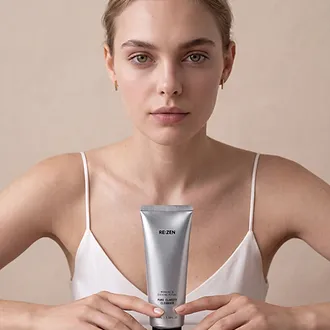
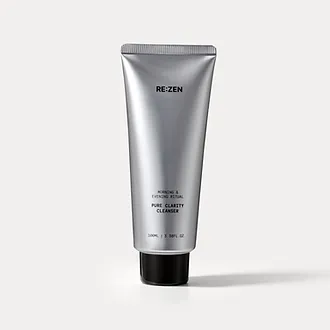
The first step in a barrier-first routine is replacing aggressive surfactants. If your skin feels tight or squeaky after washing, your cleanser is too harsh. This tightness indicates that you have stripped away necessary lipids alongside dirt and pollutants. Look for non-foaming, pH-balanced formulas that prioritize mild cleansing agents. The Pure Clarity Cleanser is formulated to remove debris without disrupting the acid mantle. You should wash once in the evening to remove SPF and environmental pollutants. In the morning, a simple rinse with lukewarm water is sufficient. Over-cleansing is the primary cause of reactive, dry skin in adults. Treat the cleaning process as a foundational step rather than an opportunity to scrub.
What ingredients actually repair the barrier?
Your skin requires the same building blocks that make up the intercellular cement. Ceramides, cholesterol, and fatty acids are the gold standard for barrier repair. Ceramides are lipids that hold skin cells together, forming a protective seal. Without sufficient ceramides, the skin structure becomes porous and susceptible to irritation. Incorporate a moisturizer that contains these lipids in a ratio that resembles healthy human skin. Ignore trends involving essential oils or heavy fragrances, as these can trigger inflammation. Instead, search for clinical-grade formulations that prioritize occlusives, which physically block moisture from evaporating. Applying these to damp skin after a shower can further improve penetration and locking efficiency.
How do you incorporate actives into a dry skin routine?
Many people with dry, mature skin avoid all actives for fear of irritation. This is unnecessary if you sequence your routine correctly. Retinoids and exfoliants can improve texture but must be buffered by your barrier-supporting base. Use a product like the Collagen Reset Night Concentrate to provide cellular turnover support while ensuring the skin remains hydrated. If you experience flaking or redness, decrease the frequency of application. Start by using active treatments two nights per week. If the skin responds well, you can gradually increase usage. The objective is to achieve long-term change without inducing chronic inflammation. Inflammation is the enemy of mature skin and can accelerate the breakdown of collagen.
What is the role of humectants?
Humectants are substances that attract water molecules from the environment or deeper skin layers to the surface. Glycerin, hyaluronic acid, and urea are effective examples. They provide a temporary plumping effect that can soften the appearance of fine lines. However, humectants alone are insufficient for dry, mature skin. Without an occlusive layer over them, humectants may pull water out of the skin if the ambient humidity is low, potentially making dryness worse. Always follow a humectant-heavy serum with an emollient-rich cream. This sandwiching technique creates a reservoir of hydration that lasts throughout the day. Consistent use of this layering method usually yields visible improvements in skin suppleness within four to six weeks.
Why consistency beats potency in skincare?
There is a temptation to seek out the strongest possible products to see instant results. In reality, mature skin performs best when supported by a predictable, low-irritation routine. The skin cycle takes approximately 28 to 40 days as we age. Rapid, drastic changes often cause barrier damage, which leads to more dryness and sensitivity. Aim to maintain a routine for at least 90 days before assessing efficacy. The goal is to keep the skin in a state of homeostasis. If you are using professional-grade products, ensure you are not rotating brands constantly. Patience is a functional requirement for any skin health program.
Questions people ask
No. Topicals cannot replace volume loss in the fat pads or address structural bone density loss. They can, however, improve surface hydration and light reflection, which minimizes the appearance of surface-level fine lines and textural irregularities.
Formulas mentioned


Keep reading
The correct order to apply skincare — and why it changes the result
Skincare efficacy depends on sequence. Learn the correct order of application to ensure your active ingredients penetrate the barrier effectively.
Do you actually need a toner? What an essence toner really does
Most toners are redundant. An essence toner is a functional tool designed to manage skin pH and increase the hydration efficiency of your follow-up serums.
How often should you use a face mask after 50?
Face masks provide temporary hydration and targeted ingredient delivery. Over 50, consistency matters more than frequency.
Not sure where to start?
Our free AI skin scan reads your hydration, firmness, evenness and texture from one photo, then builds the routine around what your skin actually needs.
Start my skin scan