Menopause and skin: the changes nobody warns you about
2026-07-29 · 6 min read
What happens to your skin during menopause?
During menopause, plummeting estrogen levels lead to a 30 percent loss of collagen in the first five years. This results in reduced skin elasticity, increased dryness, and thinner skin density. Topical treatments cannot replicate the hormonal support of estrogen, but targeted care manages these structural shifts.
The short version
- Collagen production drops by 30 percent during early menopause.
- Skin barrier function weakens due to decreased sebum production.
- Sun damage accumulates as skin thinning accelerates.
- Topical skincare manages appearance but cannot replace hormonal loss.
Why does menopause affect skin density?
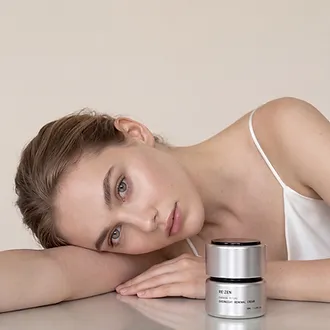
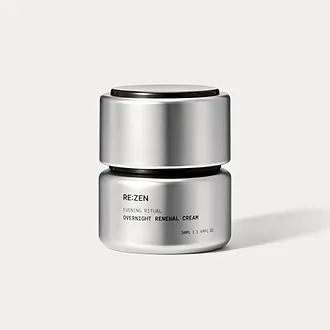
Estrogen receptors exist throughout the skin, particularly in the dermis. When levels drop during menopause, collagen synthesis slows significantly. Research shows that women lose about 30 percent of their skin collagen within the first five years of menopause. This is not merely a surface issue. The deeper structural matrix of the skin loses its scaffolding, leading to visible sagging and loss of firmness. While clinical procedures like fillers or energy-based devices address structural volume, topical products serve a different role. They focus on strengthening the epidermal barrier and providing antioxidant support to protect the remaining collagen. Using the Overnight Renewal Cream can help support the skin's moisture barrier during this fragile period.
Does skin become drier after menopause?
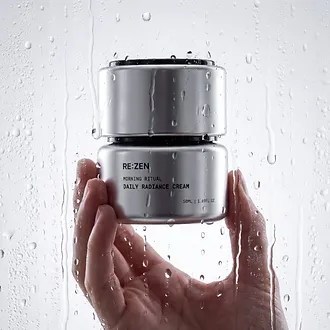
Sebum production drops significantly after the onset of menopause. The sebaceous glands shrink, and the natural oil barrier that maintains moisture begins to fail. This results in trans-epidermal water loss. Skin feels taut, uncomfortable, and visibly dull. To mitigate this, hydration strategies must shift from lightweight fluids to more occlusive or lipid-rich formulations. Look for ingredients like ceramides, squalane, and fatty acids to mimic the natural oils the skin no longer produces in sufficient quantities. Consistent use of the Daily Radiance Cream provides a necessary lipid boost. Expect to see improvements in skin comfort within six to eight weeks of implementing a consistent, lipid-focused routine.
How does thinning skin change sun sensitivity?
Post-menopausal skin is thinner than skin in your thirties. The stratum corneum, your outermost protective layer, becomes less efficient. This thinning makes the skin more vulnerable to ultraviolet radiation. Existing sun damage, often accumulated over decades, may become more apparent as brown spots or uneven pigmentation. Prevention is the only effective treatment for this stage. Daily broad-spectrum SPF is non-negotiable. While no cream will reverse deep-seated sun spots, consistent brightening agents like niacinamide or vitamin C derivatives can improve tone over four to six months. Do not expect fading of deep melasma; these often require clinical interventions such as professional chemical peels or laser therapy.
What is the role of collagen in menopausal skin?
Collagen is the protein responsible for tensile strength. Post-menopause, the degradation rate of collagen exceeds the production rate. While many products claim to boost collagen, topical ingredients have limited penetration depth. Peptides can signal the skin to support its own renewal processes, but they are not equivalent to a facelift. Focus on sustained usage rather than instant results. Collagen Reset Night Concentrate serves as a tool for supporting the skin environment during the nocturnal repair cycle. Realistically, visible changes in skin texture usually take 90 days to appear. This is the biological timeline required for new collagen bundles to organize within the dermis.
Are skin texture changes permanent?
Some changes are permanent structural shifts, while others are manageable. The loss of dermal thickness and underlying fat pads are permanent physical changes that skincare cannot reverse. However, you can address the symptoms of surface texture, such as roughness and fine lines, through gentle exfoliation and consistent hydration. Avoid aggressive scrubs that further compromise the barrier. Chemical exfoliation with polyhydroxy acids provides a milder alternative for maturing skin. Incorporate these into your routine once or twice weekly. The goal is to optimize the health of the cells you have rather than attempting to return to the skin of a twenty-year-old.
What should you ignore in marketing?
The skincare industry frequently uses terminology designed to sound like medical breakthroughs. Phrases like 'instant lift' or 'erasing years' are marketing, not science. If a product claims to mimic hormone replacement therapy, it is inaccurate. No topical ingredient replaces the systemic role of estrogen. Avoid products with heavy synthetic fragrances or high concentrations of volatile alcohols, as post-menopausal skin is hypersensitive and prone to inflammation. Focus on ingredient lists that prioritize stability and efficacy over scent or packaging aesthetics. Trust in a minimalist routine that focuses on barrier repair, moisture retention, and long-term protection.
Questions people ask
Skincare cannot stop or reverse sagging, which is caused by the loss of bone density, fat pads, and deep collagen. Topical products may provide a temporary tightening effect through hydration, but they do not address the underlying structural loss.
Formulas mentioned



Keep reading
Why skin loses firmness after 50 — and what actually restores it
After age 50, skin loses firmness due to a measurable decline in collagen density. We explain the biological reality of skin laxity and evidence-based solutions.
Retinol vs peptides after 50: which one does your skin actually need?
Retinol and peptides target skin aging through different biological mechanisms. Choosing the right one depends on your specific skin concerns and tolerance.
HPR vs retinol: the retinoid that works without peeling
Hydroxypinacolone Retinoate (HPR) offers the benefits of retinoids without the traditional irritation. Learn how this ester compares to standard retinol.
Not sure where to start?
Our free AI skin scan reads your hydration, firmness, evenness and texture from one photo, then builds the routine around what your skin actually needs.
Start my skin scan