Why skin loses firmness after 50 — and what actually restores it
2026-07-29 · 6 min read
Why does my skin lose firmness after 50?
Skin loses firmness after 50 primarily because collagen production slows significantly while existing collagen fibers degrade due to menopause and natural aging. Topical skincare can improve skin density and hydration, but it cannot mechanically replace the structural support of deep tissue or bone loss.
The short version
- Collagen production drops by approximately 1 percent annually after age 30, accelerating after menopause.
- Sun exposure is responsible for up to 80 percent of visible signs of skin aging.
- Topical treatments require 3 to 6 months of consistent use to produce visible shifts in skin texture.
- Topical skincare improves surface resilience but does not replicate the effects of cosmetic procedures.
What causes the loss of skin elasticity after 50?
The primary driver of skin laxity is the structural breakdown of the dermis. Collagen type I and elastin fibers maintain skin's shape and snap-back quality. As you reach your 50s, the fibroblast cells that produce these proteins become less active. This is often compounded by a decrease in estrogen, which directly influences collagen synthesis. Research indicates that women lose about 30 percent of their skin collagen in the first five years of menopause. Without these fibers, the skin becomes thinner and less capable of holding its shape against gravity. This is a biological inevitability that cannot be reversed by creams alone. Understanding this process helps manage expectations regarding what skincare can realistically achieve for long-term structural maintenance.
Does hydration improve skin firmness?
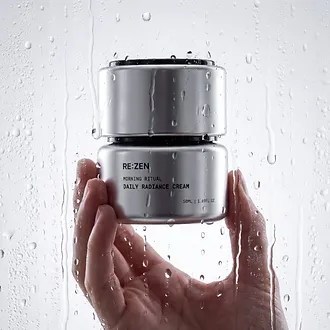
Dehydration is often mistaken for permanent loss of elasticity. When the stratum corneum, the outermost layer of the skin, lacks water, the skin appears crepey and deflated. Ingredients like hyaluronic acid and glycerin pull moisture into these cells, creating a temporary plumping effect. While this does not build new collagen or tighten loose tissue, it improves the mechanical properties of the skin's surface. Regular application of a formula like our Daily Radiance Cream provides the hydration necessary to support the skin barrier. A hydrated barrier is more resilient, which prevents micro-tears and irritation that can further degrade skin quality over time. Think of hydration as the maintenance of the skin's surface integrity, which complements deeper structural interventions.
Which ingredients actually support skin density?
Not all anti-aging claims are supported by independent clinical data. Retinoids, specifically Hydroxypinacolone Retinoate (HPR), are the gold standard for promoting cellular turnover and supporting collagen pathways without the intense irritation associated with prescription-strength tretinoin. Peptides are another essential component. Specifically, signal peptides like Palmitoyl Tripeptide-5 are designed to communicate with fibroblasts to assist in the production of structural proteins. When used in a formula like our Collagen Reset Night Concentrate, these ingredients work over a 12-week period to improve skin thickness. Look for concentrations that are stable and effective. Avoid products that rely on heavy waxes to mask the appearance of lines, as these provide a temporary finish rather than measurable structural improvement.
What is the role of the skin barrier in aging?
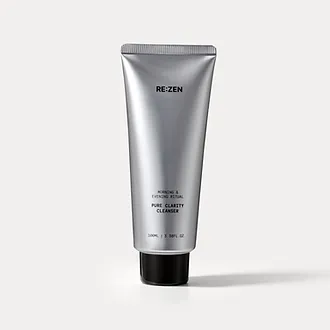
A compromised barrier leads to chronic, low-grade inflammation, often referred to as inflamm-aging. This state increases the activity of matrix metalloproteinases, which are enzymes that break down collagen. Strengthening the barrier prevents this cycle. Ceramides, cholesterol, and fatty acids are the building blocks required to seal the gaps between skin cells. By maintaining a fortified barrier, you reduce trans-epidermal water loss and protect the dermis from environmental stressors such as pollution and UV radiation. A stable barrier does not stop time, but it preserves the existing collagen network by limiting oxidative stress. Consistent use of a gentle cleanser like our Pure Clarity Cleanser helps maintain this balance without stripping essential lipids.
How long does it take to see results?
Patience is a requirement when addressing skin laxity. The human skin cell cycle takes approximately 28 to 40 days, and the biological process of collagen remodeling takes significantly longer. You will not see a change in skin firmness overnight. Most clinical trials for effective peptides and retinoids show meaningful changes at the 12-week mark, with peak results occurring between 6 and 9 months of consistent use. Daily application is necessary. If you stop using active ingredients, the skin returns to its natural rate of aging. The goal of a clinical skincare routine is to create a consistent, cumulative impact on the dermis. Anything promising results in less than 30 days is likely focusing on optical diffusion or transient swelling.
When should you consider cosmetic procedures?
There is a clear limit to what topical products can do. Topical formulas function within the epidermis and the upper layers of the dermis. They can improve tone, texture, and hydration. However, they cannot replace lost bone density, deep fat pads, or significant structural laxity caused by gravity. If your primary concern involves sagging jowls, deep folds, or extreme volume loss, injectables or surgical options are the standard of care. Skincare should be viewed as an essential support system for the skin barrier and surface health, regardless of whether you choose to use professional cosmetic procedures. It is the foundation that keeps the canvas healthy, while professional treatments address the underlying architecture.
Questions people ask
No topical cream can mechanically tighten sagging skin caused by structural loss. Creams can improve the appearance of the skin surface through hydration and targeted ingredients that assist collagen pathways, but they cannot lift tissue or replace lost volume.
Formulas mentioned




Keep reading
Menopause and skin: the changes nobody warns you about
Menopause triggers a rapid decline in collagen and lipid production. Understanding the biological shift helps you manage skin health with realistic expectations.
Retinol vs peptides after 50: which one does your skin actually need?
Retinol and peptides target skin aging through different biological mechanisms. Choosing the right one depends on your specific skin concerns and tolerance.
HPR vs retinol: the retinoid that works without peeling
Hydroxypinacolone Retinoate (HPR) offers the benefits of retinoids without the traditional irritation. Learn how this ester compares to standard retinol.
Not sure where to start?
Our free AI skin scan reads your hydration, firmness, evenness and texture from one photo, then builds the routine around what your skin actually needs.
Start my skin scan