Are exfoliating peels safe for mature skin?
2026-07-29 · 5 min read
Are exfoliating peels safe for mature skin?
Exfoliating peels are safe for mature skin when formulated with low concentrations of specific acids. They work by removing dead skin cell accumulation to improve texture and light reflection. Over-exfoliation is the primary risk, so frequency must be limited to prevent barrier damage.
The short version
- Mature skin requires slower turnover cycles.
- Lactic and mandelic acids are better tolerated than glycolic acid.
- pH balance determines irritation levels.
- Visible results require twelve weeks of consistent use.
Why does skin turnover slow with age?
Cellular turnover rate slows significantly after age 40. In youth, the process takes approximately 28 days. By age 60, this cycle can extend to 45 or 60 days. This lag results in a buildup of corneocytes on the stratum corneum. The skin surface appears dull, uneven, and less reflective. While exfoliation encourages the shedding of these dead cells, the structural integrity of mature skin is also thinner. The dermis produces less collagen and elastin, making the barrier more susceptible to irritation. Therefore, the goal is not to force rapid turnover, but to gently encourage the natural sloughing process. Using the Cellular Renewal Peel can help support this cycle without aggressive disruption. We focus on efficacy through measured acid release rather than high-percentage solutions that shock the dermal architecture.
What ingredients are safe for mature skin?
Not all acids are suitable for thinning, aging skin. Glycolic acid, while effective, has a small molecular size that penetrates quickly, often triggering inflammatory responses in compromised barriers. We prefer larger molecules. Lactic acid is a humectant as well as an exfoliant, meaning it hydrates while it clears. Mandelic acid is another stable choice; its larger molecular weight ensures a slow, even penetration that minimizes stinging. Polyhydroxy acids or PHAs are the gold standard for mature skin. They offer significant exfoliation with virtually zero irritation potential due to their complex structure. Avoid mechanical scrubs with abrasive particles, as these cause micro-tears and chronic low-level inflammation. Focus on chemical formulations that respect the skin's acidic mantle, which typically sits at a pH of 4.5 to 5.5.
How to identify barrier damage?
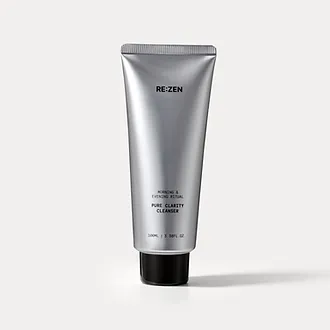
Signs of over-exfoliation are often mistaken for the benefits of a peel. If your skin feels tight, looks shiny or glass-like, or displays persistent redness, your barrier is likely compromised. Mature skin lacks the lipid-rich reserves of younger skin, making the recovery from barrier damage take significantly longer. You might experience increased sensitivity to your usual cleansers or serums. If you notice these symptoms, stop all chemical exfoliation immediately. Revert to a basic regimen consisting of a gentle cleanser like the Pure Clarity Cleanser and a barrier-repairing moisturizer. Do not resume peels until the skin returns to its baseline state, usually after 10 to 14 days. The goal of mature skincare is maintenance and stability, not constant stimulation or irritation.
Can chemical peels replace professional procedures?
Topical peels are not substitutes for clinical injectables or deep laser resurfacing. Topical acids work strictly on the surface layers of the epidermis. They improve texture, pigment distribution, and light reflection. They do not address structural collagen loss, volume depletion, or deep dermal wrinkles. Injectables work on muscle movement and fat pad shifting; topicals cannot replicate these effects. If you expect a chemical peel to mimic the results of a filler or a neurotoxin, you will be disappointed. Use peels for what they are: a method to brighten the complexion and enhance the absorption of other topical nutrients. Manage your expectations by focusing on surface quality rather than structural transformation.
How often should you peel?
Frequency is determined by your skin’s tolerance, not the instructions on the bottle. Start with one application per week. After four weeks, assess the skin surface for redness or increased dryness. If the skin responds well, you may increase to twice weekly. Consistency is more important than strength. A 5 percent mandelic acid peel used twice a week will produce better, safer results over six months than a 20 percent glycolic peel used once a month. The former builds skin quality; the latter creates a cycle of damage and repair. Monitor the seasons as well. Mature skin is more prone to dehydration in winter months, which can make chemical exfoliation less comfortable.
The importance of post-peel hydration
Exfoliation removes surface lipids. For mature skin, these lipids are essential for moisture retention. Always follow a peel with a robust moisturizer to restore the protective seal of the skin. Ingredients like ceramides, squalane, and fatty acids are beneficial post-peel. These lipids replenish what the exfoliation process has temporarily removed. Avoid using harsh active ingredients like high-strength retinoids or concentrated Vitamin C in the 24 hours following a peel. Let the skin recover its pH balance naturally. A simple, scent-free, emollient-rich cream is sufficient to facilitate the healing phase. Hydration is the most overlooked step in the exfoliation process, yet it is the factor that dictates how plump and healthy your skin looks long-term.
Questions people ask
Consult with a dermatologist first. If you have active rosacea, avoid traditional exfoliating acids. You may tolerate mild PHAs, but the risk of triggering a flare is high. Focus on strengthening the barrier with calming ingredients instead of removing surface cells.
Formulas mentioned
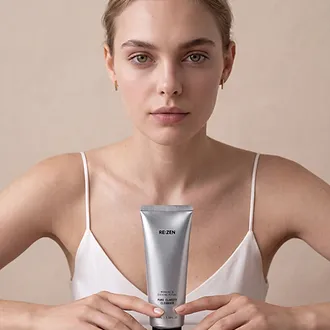

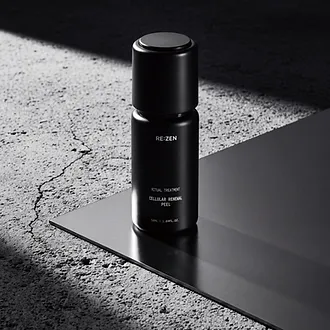


Cellular Renewal Peel
4.5 · 235 reviewsSmoother skin. Zero barrier damage.
60 ML | 2.03 FL. OZ.
Keep reading
Skin barrier damage: the signs, the causes, and how to repair it
A compromised skin barrier leads to dryness, irritation, and inflammation. Learn the objective signs of damage and the proven steps to restore your skin integrity.
How long until skincare works? Realistic timelines for every concern
Skincare efficacy is governed by the skin cell turnover cycle. Understand realistic timelines to avoid wasting time and money on ineffective routines.
LED and infrared devices: do they make your skincare work better?
LED and infrared devices claim to optimize skincare absorption. Science shows these tools provide modest metabolic support, but they are not a replacement for clinical topicals.
Not sure where to start?
Our free AI skin scan reads your hydration, firmness, evenness and texture from one photo, then builds the routine around what your skin actually needs.
Start my skin scan