How long until skincare works? Realistic timelines for every concern
2026-07-29 · 5 min read
How long does it take for skincare to show results?
Most skincare takes between 30 and 90 days to show visible improvement. Skin cells regenerate on a cycle of approximately 28 to 40 days, meaning consistent usage is required to see meaningful changes in texture or pigment.
The short version
- Cell turnover dictates that results require a minimum of 30 days.
- Pigmentation changes are slower than surface hydration effects.
- Consistency is the single most important variable in results.
- Topical applications cannot mimic the structural changes of injectables.
Why does skincare take 30 days or longer?
The primary limiting factor for skincare efficacy is the human epidermal renewal cycle. Basal cells in the deepest layer of the epidermis divide and migrate to the surface to form the stratum corneum. For a healthy adult, this process takes approximately 28 days. In older skin, this process slows to 40 or 50 days. When you apply an active ingredient like a retinoid or an exfoliant, it must reach these basal layers or encourage the shedding of dead cells at the surface. You will not see the structural impact of a product until at least one full cycle of skin renewal has completed. Patience is not just a virtue in dermatology; it is a physiological necessity. Products that claim to change skin texture in hours are typically using optical diffusers or temporary fillers that sit on the surface rather than altering the physiology of the dermis.
How long until topical hydration works?
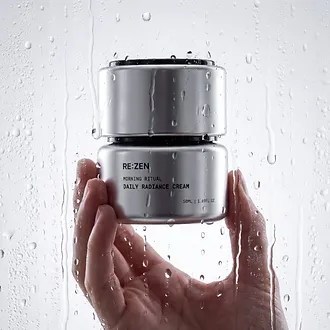
Hydration is the fastest skin improvement to observe. Ingredients like glycerin, hyaluronic acid, and ceramides work by drawing water into the stratum corneum or repairing the lipid barrier. You may feel an immediate reduction in tightness or roughness within minutes of application. Significant improvement in trans-epidermal water loss usually manifests within 7 to 14 days of twice-daily use. Using a product like Daily Radiance Cream provides the necessary lipids to support barrier integrity. If your skin remains dry or flaky after three weeks of consistent application, the issue may be systemic rather than topical, or you may be stripping your barrier with overly aggressive cleansing habits. Focus on restoring the moisture barrier before introducing more aggressive actives.
What is the timeline for clearing acne or congestion?
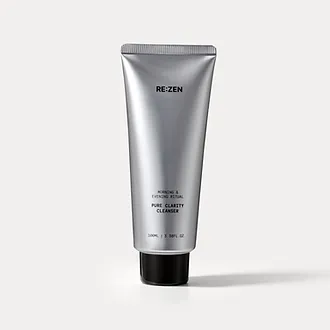
Acne and congestion management require an adherence to the 90-day rule. When treating breakouts, you are not just treating the active lesions, but attempting to regulate the cellular turnover within the follicle. Ingredients like salicylic acid or benzoyl peroxide work to dissolve debris and reduce bacterial colonization. You should expect to see a decrease in inflammation within 14 days, but complete clearing of existing congestion often takes three months. It is common to experience a temporary phase of purging as deeper impactions reach the surface. This is a physiological byproduct of accelerated turnover, not a sign that the product is failing. Using a gentle formula such as Pure Clarity Cleanser helps maintain a clean follicular environment without inducing the irritation that often leads to further breakouts.
How long does it take to see pigment changes?
Hyperpigmentation and sun damage are the most difficult concerns to treat topically. Melanin production occurs deep within the basal layer of the epidermis. To lighten dark spots, you must inhibit tyrosinase activity and wait for the pigmented cells to migrate to the surface and exfoliate. This process is inherently slow. Even with effective inhibitors, visible lightening typically requires 8 to 12 weeks of daily application. If you have significant solar lentigines or melasma, topical products are limited by their inability to reach the deep dermal-epidermal junction. Sun protection is mandatory during this period; without it, UV exposure will trigger melanocytes to produce more pigment, rendering your topical treatments ineffective. Avoid products that promise to erase dark spots in days, as these are often unregulated or contain ingredients that cause inflammation.
When can you expect results from retinoids?
Retinoids are the clinical standard for collagen support and cellular regulation. When using stable forms like Hydroxypinacolone Retinoate (HPR), which is featured in our Ageless Silk Mask, the skin experiences less irritation than traditional retinoic acid. However, the timeline remains fixed by biology. You will notice increased surface smoothness around the 30-day mark. Structural changes, such as a reduction in the appearance of fine lines or improved skin density, require sustained use for 6 to 12 months. Do not increase frequency to speed up these results; doing so only risks barrier disruption. The goal is long-term maintenance of collagen synthesis, not acute trauma to the skin surface.
What are the limitations of topical skincare?
It is essential to distinguish between topical skincare and clinical procedures. Injectables like neurotoxins and dermal fillers work by paralyzing muscles or providing structural volume beneath the dermis. Topical skincare cannot replicate these effects. No serum can lift sagging skin or eliminate deep, static folds caused by bone resorption or fat pad displacement. Skincare can improve the quality of the surface, optimize light reflection, and provide necessary hydration, but it cannot fundamentally alter the architecture of your face. Manage expectations accordingly. Use skincare to maximize the health and longevity of your skin, and view it as a complement to, not a replacement for, professional medical interventions.
Questions people ask
No. The skin has a finite absorption capacity. Applying more product than recommended will not accelerate results and often leads to irritation or product piling. Consistency and proper application frequency are far more effective than high volumes.
Formulas mentioned




Keep reading
Skin barrier damage: the signs, the causes, and how to repair it
A compromised skin barrier leads to dryness, irritation, and inflammation. Learn the objective signs of damage and the proven steps to restore your skin integrity.
Are exfoliating peels safe for mature skin?
Exfoliating peels can benefit mature skin by increasing cell turnover. However, careful ingredient selection is required to avoid barrier disruption.
LED and infrared devices: do they make your skincare work better?
LED and infrared devices claim to optimize skincare absorption. Science shows these tools provide modest metabolic support, but they are not a replacement for clinical topicals.
Not sure where to start?
Our free AI skin scan reads your hydration, firmness, evenness and texture from one photo, then builds the routine around what your skin actually needs.
Start my skin scan