Skin barrier damage: the signs, the causes, and how to repair it
2026-07-29 · 5 min read
How do I know if my skin barrier is damaged?
A damaged skin barrier is characterized by persistent redness, tightness, and trans-epidermal water loss. You can restore it by simplifying your routine and focusing on lipid-restoring ingredients like ceramides and fatty acids over a period of four to six weeks.
The short version
- Barrier damage results from over-exfoliation and harsh surfactants.
- Repair requires lipid replacement rather than layering actives.
- Visible improvement usually takes four to six weeks of consistency.
- Topical products support skin health but cannot replace clinical procedures.
What is the skin barrier and why does it fail?
The skin barrier or stratum corneum functions as the outermost layer of the epidermis. It consists of corneocytes held together by a lipid matrix containing ceramides, cholesterol, and fatty acids. Its primary role is to prevent trans-epidermal water loss and block environmental irritants. Barrier damage occurs when this lipid structure is disrupted. This happens through mechanical over-exfoliation, the use of high-pH cleansers that strip natural oils, or chronic exposure to harsh environmental factors. When the barrier is compromised, your skin becomes permeable to bacteria and allergens, leading to the reactive cycle of redness and sensitivity. Understanding that this is a structural issue, not a surface aesthetic concern, is the first step toward resolution.
What are the physical signs of a damaged barrier?
The symptoms of barrier impairment are often mistaken for standard dry skin. Look for persistent tightness immediately after cleansing, even before applying moisturizers. You may observe patches of flaking skin or a dull, greyish texture that does not respond to regular exfoliation. Redness or flushing is another common indicator, as the skin lacks the necessary defense to block minor irritants. If your usual products, even gentle ones, cause a stinging sensation upon application, your barrier is likely compromised. This discomfort occurs because the skin's nerve endings are exposed due to the thinning of the lipid layer. These signals indicate that you should immediately discontinue the use of acids, retinoids, and aggressive tools.
Does over-exfoliation cause barrier damage?
Yes. While chemical exfoliation with alpha hydroxy acids or beta hydroxy acids serves a purpose in cell turnover, overuse is the most common cause of damage. Frequent use of scrubs, brushes, or high-percentage chemical peels forces the skin to shed cells faster than it can regenerate the protective lipid matrix. This leaves the skin defenseless. Many individuals reach for more products to fix the resulting dullness, which only accelerates the cycle of damage. A healthy barrier requires balance. If you are experiencing signs of irritation, pause all chemical and physical exfoliation for at least two weeks to allow the natural desquamation process to stabilize. When you reintroduce active ingredients, do so incrementally.
What ingredients assist in barrier repair?
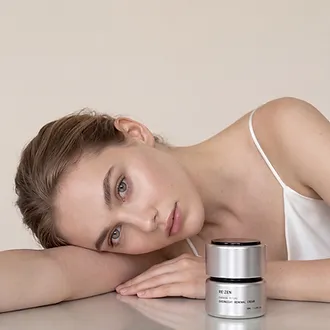
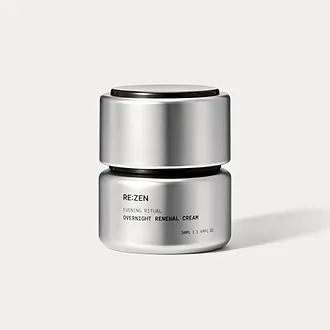
Repairing the skin barrier requires replacing lost lipids. Ingredients that mimic the natural components of the skin are the most effective. Look for products containing ceramides, cholesterol, and free fatty acids. These work in unison to patch gaps in the stratum corneum. Niacinamide at low concentrations can support the synthesis of ceramides, while panthenol provides humectant properties that soothe inflammation. Avoid heavily fragranced products or essential oils during the repair phase, as these are common sensitizers. The Overnight Renewal Cream utilizes targeted emollients designed to support this recovery process without overwhelming the skin. Consistency is superior to potency during this phase. Avoid complex multi-step routines that involve numerous layers of differing pH levels.
How long does it take to repair the skin barrier?
Biological skin repair is not instantaneous. The renewal cycle of the epidermis takes roughly twenty-eight to forty days. You should expect to see a reduction in stinging and redness within the first two weeks of adopting a minimalist routine. Full restoration of the lipid matrix usually requires a full cycle of four to six weeks of consistent care. Do not expect products to act like injectables or clinical laser treatments. Topicals function to optimize the internal environment for healthy cell function, but they cannot reverse advanced structural loss. If your skin does not show measurable improvement after six weeks of gentle care, consult a dermatologist to rule out underlying inflammatory conditions like rosacea or contact dermatitis.
How to maintain a healthy barrier once repaired?
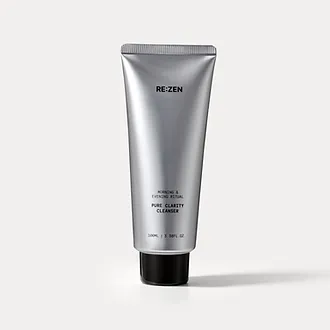
Once your skin no longer stings or feels tight, you may begin to reintroduce advanced actives. Start with one active ingredient at a time and monitor your skin's reaction for seven days before adding another. Prioritize gentle cleansing, such as using the Pure Clarity Cleanser, to remove debris without stripping essential lipids. Sun protection is non-negotiable, as UV radiation is a significant source of free radical damage that degrades skin health. Keep your routine focused on high-quality basics rather than trends. A successful long-term strategy relies on the prevention of damage rather than the constant correction of it. Listen to your skin's feedback, as it will tell you when a product is too strong or when your routine needs adjustment.
Questions people ask
It is generally recommended to avoid concentrated vitamin C during the initial stages of barrier repair. Pure ascorbic acid is acidic and can cause stinging on compromised skin. Wait until your skin feels resilient and free of irritation before reintroducing active antioxidants.
Formulas mentioned



Keep reading
How long until skincare works? Realistic timelines for every concern
Skincare efficacy is governed by the skin cell turnover cycle. Understand realistic timelines to avoid wasting time and money on ineffective routines.
Are exfoliating peels safe for mature skin?
Exfoliating peels can benefit mature skin by increasing cell turnover. However, careful ingredient selection is required to avoid barrier disruption.
LED and infrared devices: do they make your skincare work better?
LED and infrared devices claim to optimize skincare absorption. Science shows these tools provide modest metabolic support, but they are not a replacement for clinical topicals.
Not sure where to start?
Our free AI skin scan reads your hydration, firmness, evenness and texture from one photo, then builds the routine around what your skin actually needs.
Start my skin scan