LED and infrared devices: do they make your skincare work better?
2026-07-29 · 6 min read
do led and infrared skincare devices actually work?
LED and infrared devices assist cellular energy production and may improve microcirculation to support skin health. While they can increase the surface permeability of the skin, they do not replace the biological activity of clinical-grade topicals. Expect modest results in texture and tone after three to six months of consistent use.
The short version
- Light therapy operates on mitochondrial energy pathways, not immediate volume.
- Red and near-infrared light assist in reducing transient skin redness.
- Topicals provide the active ingredients; devices only influence their uptake.
- Expect visible changes in skin density only after twelve weeks of use.
How does red light therapy affect skin cells?
Light therapy utilizes specific wavelengths of the electromagnetic spectrum. Red light, typically between 630 and 660 nanometers, and near-infrared light, between 800 and 880 nanometers, penetrate the dermis. These wavelengths reach the mitochondria within fibroblasts. Mitochondria are the powerhouses of the cell. Photons absorbed by cytochrome c oxidase trigger an increase in adenosine triphosphate production. This energy increase supports cellular repair and collagen maintenance. It is a metabolic process. You will not see an immediate transformation in the mirror. It is a slow, cumulative signal to the skin to function more efficiently. It does not exert the same structural impact as a procedure, such as a needle-based intervention.
Do these devices improve skincare absorption?
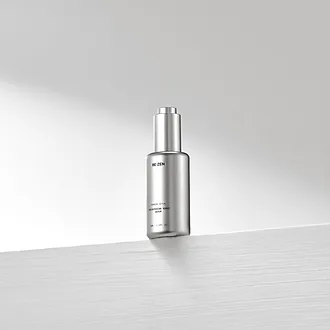
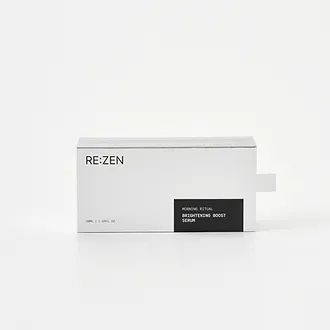
The skin barrier is designed to keep external substances out. Infrared devices often generate mild thermal energy. This warmth can temporarily increase skin surface temperature and blood flow. Increased circulation can facilitate the movement of certain ingredients like niacinamide or hyaluronic acid into the stratum corneum. However, the device does not penetrate deep into the dermis to deliver active molecules. Using a device after applying a serum like the Brightening Boost Serum may marginally improve the dispersal of the formula on the skin surface. It does not replace the necessity of high-quality formulations. The device is a secondary tool, not the primary vehicle for ingredient delivery.
What is the difference between LED and infrared?
LED refers to light-emitting diodes that remain cool to the touch. These are primarily for surface-level improvement and calming inflammation. Infrared devices often involve heat. Heat can cause vasodilation, which is the widening of blood vessels. While this can make the skin appear temporarily flushed and temporarily more absorbent, excessive heat is a potential skin stressor. Chronic exposure to high heat can induce elastosis over time. We prefer cool LED light for consistent, daily use. Always check the output intensity of your device. Higher intensity does not mean faster results. It often leads to increased irritation. Stick to manufacturer-recommended exposure times to avoid unnecessary thermal stress.
What are realistic timelines for results?
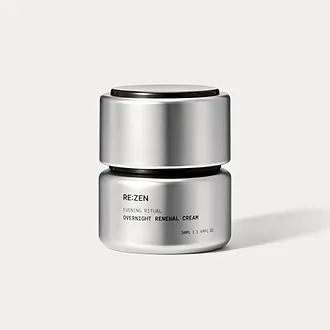
Marketing often promises results in days. Biological tissue does not remodel that quickly. Clinical studies on light therapy consistently show that measurable changes in skin appearance take time. The initial phase of regular use is usually four weeks, during which you may notice minor improvements in skin luminosity. For observable changes in texture or fine line appearance, twelve to twenty-four weeks of daily or near-daily use is the standard requirement. Consistency is the only variable that matters. If you stop using the device, the metabolic benefits gradually taper off. Use the device in the evening before applying your Overnight Renewal Cream to maintain a calm and stable complexion.
What should you ignore in device marketing?
Ignore claims about permanent wrinkle removal or dramatic facial sculpting. No hand-held device possesses the power density to achieve structural changes in the underlying muscle or deep fat pads. If a device claims to replace a surgical lift or a filler treatment, it is misleading. Also, ignore claims about blue light curing acne. While blue light can impact P. acnes bacteria in laboratory settings, clinical home-use results are often inconsistent. The device is a support tool. It is not an active ingredient. The efficacy of your routine remains dependent on the molecules in your serums and creams. Do not prioritize a gadget over proven chemical compounds.
Are there risks to using LED and infrared daily?
The primary risk with LED is eye exposure. Always use the provided protective goggles. Never look directly into the diode array. With infrared heat devices, the risk is thermal damage. If your skin feels overly hot or becomes red and painful, stop the treatment immediately. Over-stimulation can cause a rebound effect, resulting in increased pigmentation or localized swelling. Sensitive skin types should approach heat-based devices with caution. If you have active rosacea or melasma, consult a dermatologist before introducing heat to your routine. Heat can exacerbate these conditions. Use devices for maintenance, not for correction. If you experience persistent redness after a session, lengthen the interval between uses.
Questions people ask
It is generally better to use LED devices on clean, bare skin. Residue from products can scatter light or block the wavelengths. Apply your serum after the treatment for optimal absorption.
Formulas mentioned


Keep reading
Skin barrier damage: the signs, the causes, and how to repair it
A compromised skin barrier leads to dryness, irritation, and inflammation. Learn the objective signs of damage and the proven steps to restore your skin integrity.
How long until skincare works? Realistic timelines for every concern
Skincare efficacy is governed by the skin cell turnover cycle. Understand realistic timelines to avoid wasting time and money on ineffective routines.
Are exfoliating peels safe for mature skin?
Exfoliating peels can benefit mature skin by increasing cell turnover. However, careful ingredient selection is required to avoid barrier disruption.
Not sure where to start?
Our free AI skin scan reads your hydration, firmness, evenness and texture from one photo, then builds the routine around what your skin actually needs.
Start my skin scan